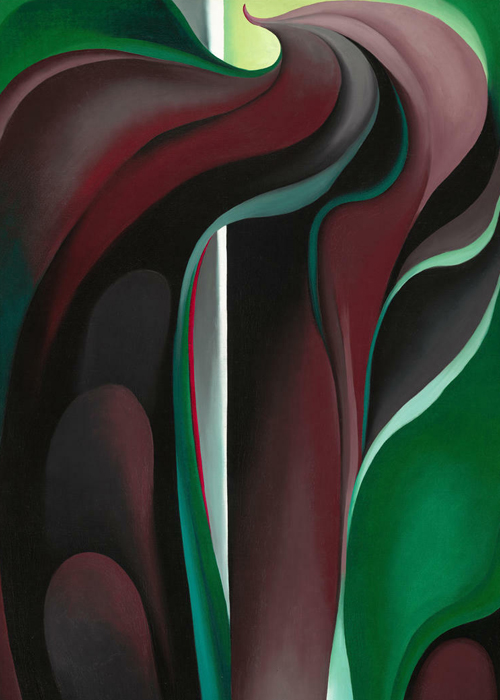
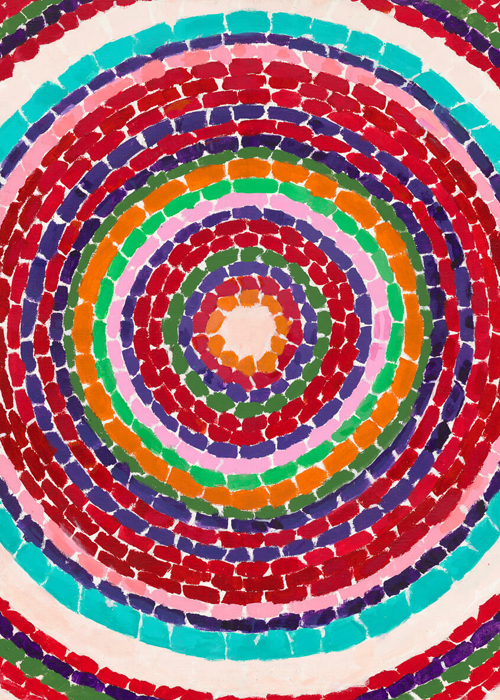
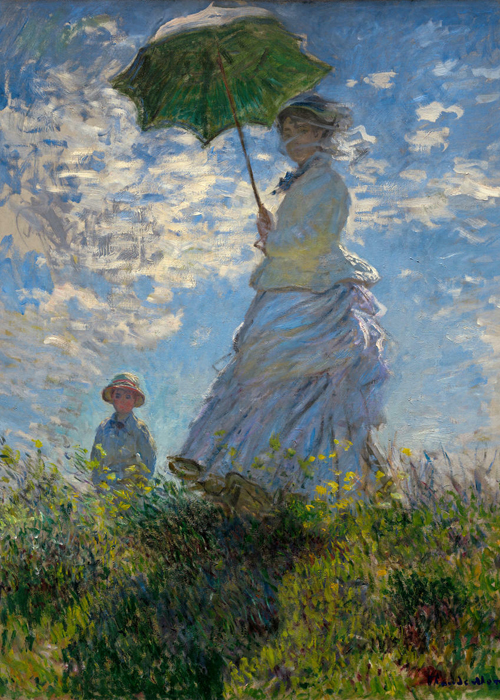
Your personal favorites, customized by you
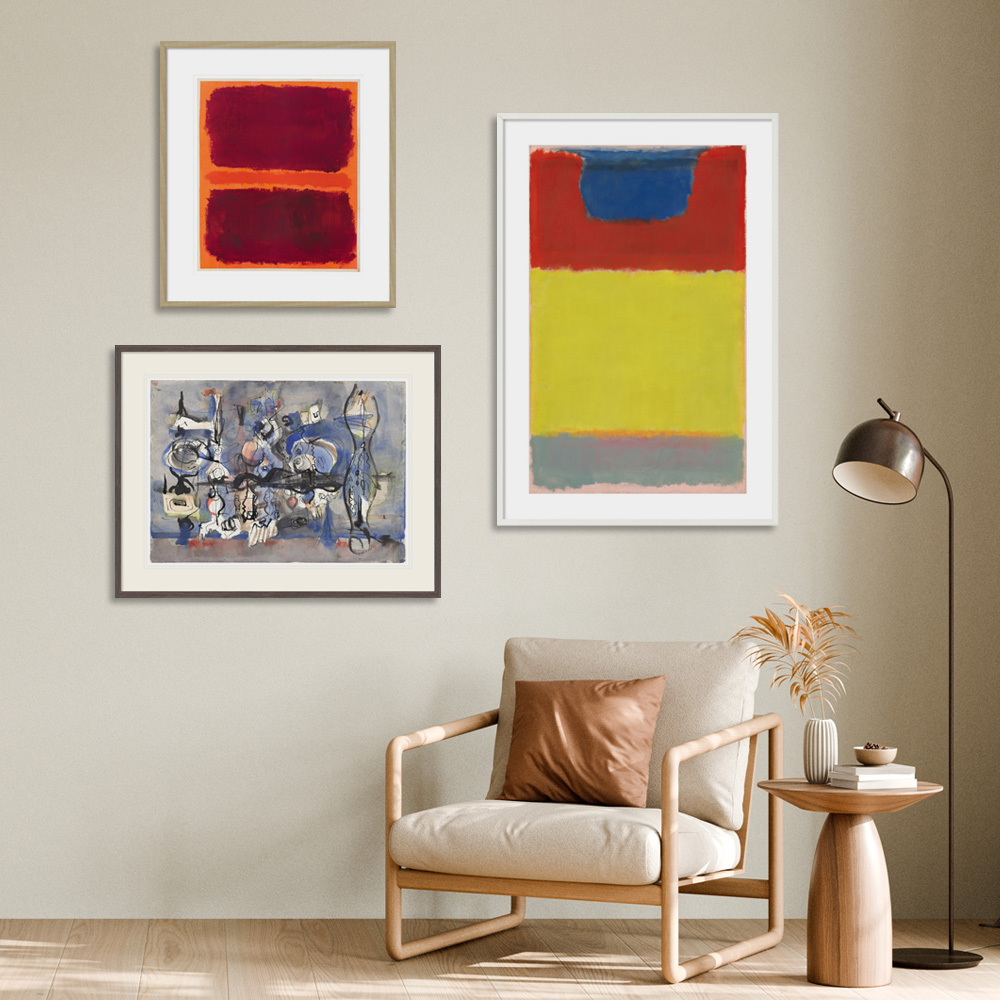
Enjoy part of the National Gallery’s collection in your own home or workspace.


West Building
6th St and Constitution Ave NW
Sculpture Garden
7th St and Constitution Ave NW
East Building
4th St and Constitution Ave NW
The National Gallery of Art serves the nation by welcoming all people to explore and experience art, creativity, and our shared humanity.